Blog

  • The Plate-to-Intimate Connection: How Your Diet Shapes Your Internal Harmony

    The Plate-to-Intimate Connection: How Your Diet Shapes Your Internal Harmony

    When we think about our favorite meals, we often focus on how they taste or how they’ll affect our waistline. But in 2026, health science is showing us that what you put on your plate has a direct, measurable impact on your most private health. There is a “biological highway” between your digestive system and your intimate ecosystem, meaning your pantry might be your most powerful tool for maintaining balance.

    For many, the idea that food can affect intimate health sounds like an old wives’ tale. However, the connection is purely scientific: your diet influences your gut, your gut influences your immune system, and your immune system dictates how well your “good” bacteria (Lactobacilli) can defend your intimate environment. Here is a guide to the best foods for your internal harmony and why they deserve a spot in your kitchen.

    1. The Probiotic Powerhouses

    We’ve discussed the importance of Lactobacilli—the “security team” of your intimate health. To keep this team strong, you need to send in reinforcements. Probiotics are live, beneficial bacteria that help maintain an acidic pH and keep unwanted yeast or bacteria at bay.

    • Live-Culture Yogurt & Kefir: Look for “live and active cultures” on the label. Plain, unsweetened versions are the gold standard.

    • Fermented Favorites: Foods like kimchi, sauerkraut, and traditional pickles (fermented in salt, not vinegar) are rich in the specific bacterial strains that support a healthy internal microbiome.

    • Kombucha: This fermented tea is an excellent way to support microbial diversity, but be mindful of the sugar content in commercial brands.

    2. Prebiotics: The “Fuel” for the Good Guys

    Probiotics are the bacteria themselves, but prebiotics are the fibers that feed them. Without prebiotics, your beneficial bacteria can’t thrive or multiply. Think of these as the “fertilizer” for your internal garden.

    To support a resilient microbiome, incorporate:

    • Garlic and Onions: These aren’t just for flavor; they contain natural antimicrobial properties and are world-class prebiotics.

    • Asparagus and Bananas: These are rich in specialized fibers that selectively feed the “good” bacteria in your gut and beyond.

    • Oatmeal and Legumes: High-fiber foods help regulate estrogen levels, which is crucial because estrogen directly impacts the health of your intimate tissues.

    3. Antioxidants and Vitamin C: The “Immune Shield”

    Your intimate health depends on the strength of your mucosal membranes—the protective lining of your body. Vitamin C and antioxidants help repair these tissues and support the immune response.

    • Berries: Blueberries, raspberries, and strawberries are packed with polyphenols that reduce systemic inflammation.

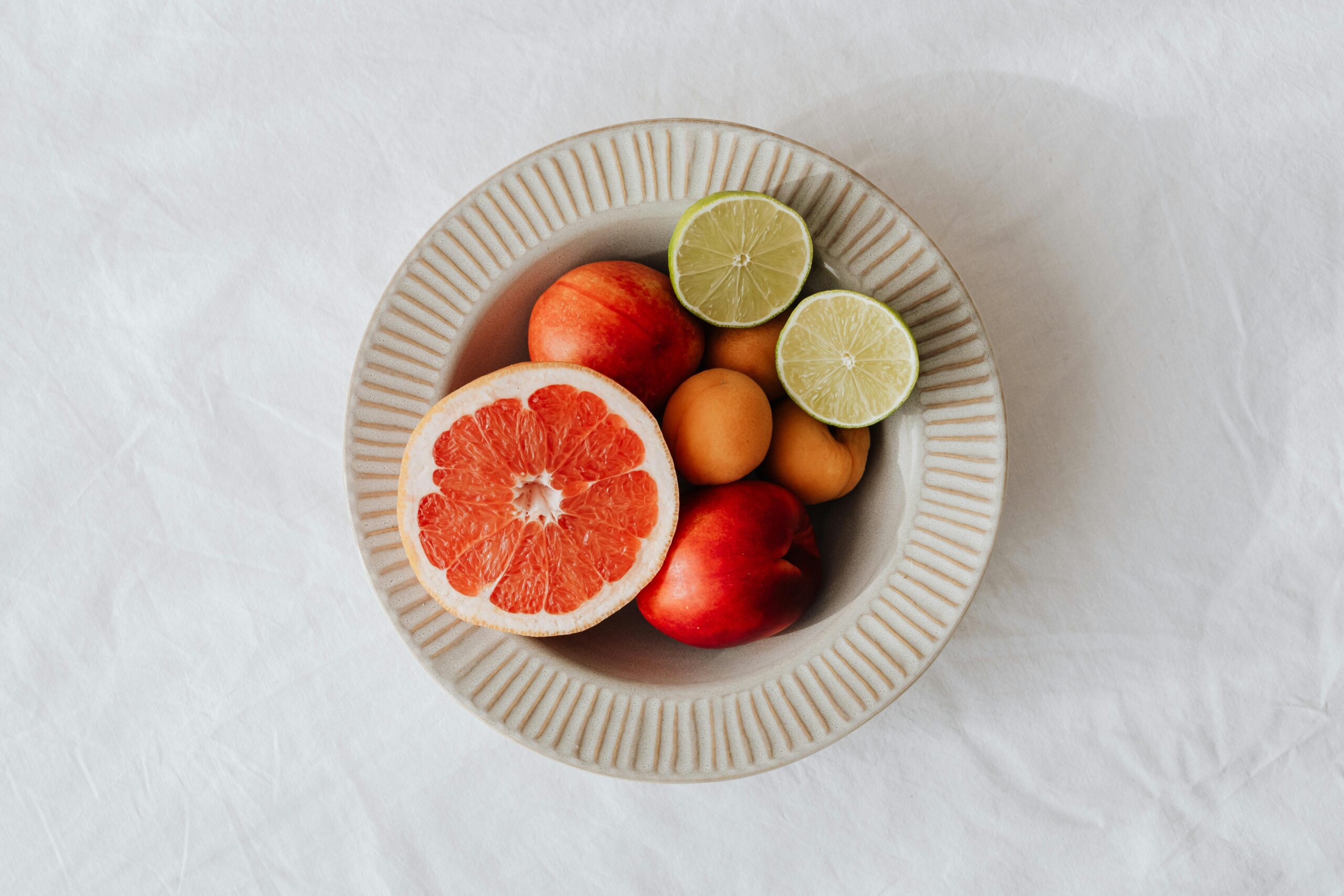
    • Citrus Fruits: Oranges and lemons provide the Vitamin C needed for collagen production and tissue strength.

    • Cranberries: The old advice is true—cranberries contain “proanthocyanidins” that prevent bacteria from sticking to the walls of the urinary tract. Just ensure you’re choosing 100% juice or the whole fruit, as added sugar can negate the benefits.

    4. Healthy Fats: Lubrication and Hormone Balance

    Hormonal balance is the secret engine of intimate health. Healthy fats are the building blocks of your hormones, and they ensure that your tissues stay hydrated and lubricated.

    • Avocados and Walnuts: These provide healthy monounsaturated fats that support circulation and hormone production.

    • Fatty Fish (Salmon, Sardines): Rich in Omega-3 fatty acids, these help reduce the chronic inflammation that can lead to sensitivity or discomfort.

    • Flaxseeds: These contain “phytoestrogens,” which can be particularly helpful during life stages like perimenopause when natural estrogen levels begin to dip.

    5. Hydration: The Universal Solvent

    It sounds simple, but water is perhaps the most underrated “food” for intimate health. Your body relies on water to flush out toxins and maintain the moisture levels of your mucosal membranes. When you are dehydrated, these tissues can become thin and easily irritated. Aim for structured hydration throughout the day to keep your protective barriers strong.

    The “Sugar Trap”

    While adding good foods is important, knowing what to limit is just as vital. High-sugar diets are the primary fuel for Candida (yeast). When your blood sugar spikes, it can change the environment of your intimate flora, making it easier for yeast to overgrow. If you find yourself dealing with recurring issues, try swapping refined sugars for whole fruits—the fiber in the fruit slows down the sugar absorption, giving your body a chance to stay in balance.

    Final Thoughts: Eat for Your Ecosystem

    Your body is an integrated system. By choosing foods that support your “internal garden,” you aren’t just improving your digestion; you are investing in your confidence and comfort.

    What is one “gut-friendly” food you already love? Next time you’re at the grocery store, remember that you aren’t just shopping for a meal—you’re shopping for your health from the inside out.

    Pro-Tip: Try to eat “thirty different plants a week.” This diversity of fiber (from nuts, seeds, herbs, vegetables, and grains) is the scientifically proven way to ensure your microbiome—and your intimate health—remains as resilient as possible!


  • The Silent Bodyguards: Understanding Your Vaginal Flora and Why It Matters

    The Silent Bodyguards: Understanding Your Vaginal Flora and Why It Matters

    When we think about our health, we often focus on what we can see in the mirror or how we feel during a workout. However, some of the most important work in the female body happens on a microscopic level. Deep within the intimate ecosystem exists a bustling community of microorganisms known as the Vaginal Flora (or vaginal microbiome).

    For many, the word “bacteria” sounds like something to be avoided. But in the case of your intimate health, bacteria are your greatest allies. Understanding how this delicate balance works is the first step toward feeling comfortable, confident, and proactive about your well-being.

    What Exactly is Vaginal Flora?

    Imagine your body as a high-security building. The vaginal flora is the elite security team stationed at the entrance. This “team” is primarily composed of beneficial bacteria called Lactobacilli. In a healthy environment, Lactobacilli make up about 95% of the total microbial population.

    These “good” bacteria aren’t just sitting there; they are actively working to maintain a specific environment. Their main job is to produce lactic acid, which keeps the vaginal environment slightly acidic. On the pH scale (which runs from 0 to 14), a healthy vagina usually sits between 3.8 and 4.5. This acidity is the ultimate defense mechanism—it creates a “no-go zone” for harmful bacteria and yeast that prefer a more neutral or alkaline environment.

    The Essential Functions of Your Internal Ecosystem

    Your vaginal flora isn’t just about preventing “bad smells”; it performs several critical biological functions that impact your overall quality of life:

    1. Pathogen Protection: By occupying the space and resources, Lactobacilli prevent “bad” bacteria (like those that cause Bacterial Vaginosis) or fungi (like Candida) from moving in and multiplying.

    2. Barrier Maintenance: A healthy flora supports the strength of the mucosal lining, acting as a physical and chemical barrier against infections, including sexually transmitted infections (STIs).

    3. Reproductive Support: Modern research suggests that a balanced microbiome plays a role in fertility, supporting everything from sperm health to a healthy pregnancy.

    4. Self-Cleaning: The vagina is often described as a “self-cleaning oven.” The natural discharge produced by a healthy flora carries away old cells and keeps the tissues hydrated and clean.

    When the Balance Shifts: Signs and Causes

    The intimate ecosystem is resilient, but it is also sensitive. When the “good guys” (Lactobacilli) decrease in number, the pH level rises, and the “bad guys” take the opportunity to take over. This shift is known as dysbiosis.

    Common Triggers for Imbalance:

    • Antibiotics: While they kill the bacteria causing your ear infection, they also act as “carpet bombers,” wiping out your beneficial Lactobacilli.

    • Hormonal Fluctuations: Changes during your menstrual cycle, pregnancy, or menopause can shift the pH. Estrogen levels are closely linked to the amount of “fuel” (glycogen) available for your good bacteria.

    • Hygiene Habits: Using scented soaps, douches, or “feminine sprays” can wash away the protective flora and disrupt the natural acidity.

    • Lifestyle Factors: High stress, a high-sugar diet, or wearing non-breathable synthetic underwear can create an environment where yeast thrives.

    How to Support Your “Silent Bodyguards”

    Supporting your intimate health doesn’t require a complex 10-step routine. In fact, when it comes to the vagina, less is usually more.

    • The “Water Only” Rule: The inside of the vagina does not need soap. Lukewarm water is enough for external cleaning. If you must use a product, ensure it is pH-balanced and fragrance-free.

    • Probiotic-Rich Foods: Incorporating natural yogurt, kefir, or high-quality probiotic supplements can help replenish your internal bacterial reservoirs.

    • Breathable Fabrics: Choose cotton underwear and avoid staying in damp gym clothes or swimsuits for long periods.

    • Stay Hydrated: Just like the rest of your body, your mucosal membranes need water to function and stay protective.

    Final Thoughts: Listening to Your Body

    Your intimate health is a dynamic conversation between your lifestyle and your biology. When your vaginal flora is balanced, you likely don’t even think about it—and that’s the goal!

    However, if you notice persistent itching, a significant change in discharge, or an unusual odor, don’t ignore it. These are the “alarm bells” your security team is ringing to tell you the balance is off. By understanding the importance of your vaginal flora, you move away from “fixing problems” and toward “maintaining harmony.”

    Have you ever noticed how your lifestyle affects your intimate comfort? Whether it’s after a round of antibiotics or a stressful month, paying attention to these patterns is the ultimate form of self-care.

    Pro-Tip: If you are prescribed antibiotics, talk to your doctor about taking a specialized probiotic alongside them. It can act as “reinforcements” for your flora and help prevent the common post-antibiotic yeast infection!

  • The Invisible Link: How Stress and Your Emotions Affect Your Intimate Health

    The Invisible Link: How Stress and Your Emotions Affect Your Intimate Health

    When we think about physical health, we often look for physical causes. If we have a headache, we look for dehydration; if we have a stomach ache, we blame something we ate. The same logic usually applies to intimate health. We often assume that discomfort or a change in our “internal rhythm” must be the result of a hygiene mistake or a biological fluke.

    However, modern science is confirming something that many of us have intuitively felt for years: our minds and our bodies are deeply, inextricably linked. Your intimate health is not just a biological process; it is a reflection of your emotional state. This connection, known as psychosomatics, explains how chronic stress, anxiety, and emotional burnout can manifest as physical symptoms in our most private areas.

    If you’ve ever felt “off” during a high-pressure week at work or noticed that your body reacts differently when you’re going through a tough emotional time, you aren’t imagining it. Here is how your brain talks to your body and what you can do to restore the balance.

    The Biology of the “Stress Response”

    To understand this connection, we have to look at the “Stress Hormone”—Cortisol. When you are under stress, your brain enters “fight or flight” mode. This was great for our ancestors running away from predators, but it’s less helpful when you’re dealing with a long email chain or financial worries.

    When cortisol levels are high for a long time, the body deprioritizes systems it deems “non-essential” for immediate survival. Unfortunately, your reproductive and intimate health systems are often the first to be affected. High cortisol can:

    1. Lower the Immune Response: This makes it easier for opportunistic infections like yeast or bacterial vaginosis (BV) to take hold.

    2. Disrupt pH Balance: Stress can actually change the chemical environment of your intimate flora, killing off the “good” bacteria (Lactobacilli) that protect you.

    3. Cause Muscle Tension: Many people hold stress in their shoulders, but we also hold it in our pelvic floor. Chronic tension here can lead to persistent discomfort, even when no infection is present.

    The “Libido” Myth: It’s Not Just in Your Head

    We often hear that a low libido is “all in your head,” but the truth is that it is a physical response to emotional exhaustion. When you are burnt out, your body stops producing the hormones that drive desire and, more importantly, the natural lubrication that ensures comfort.

    Trying to force through this “emotional wall” can lead to physical irritation and micro-tears, which then creates a cycle: you feel stressed, your body doesn’t respond, you feel physical discomfort, and then you become more stressed about the discomfort. Breaking this cycle requires acknowledging that your body is simply asking for a break.

    The Gut-Brain-Intimate Triangle

    We’ve previously discussed the gut-intimate connection, but the brain is the third point of that triangle. Stress directly impacts your gut health (think of “butterflies” or a nervous stomach). Since your gut is a major source of the bacteria that repopulate your intimate flora, an upset digestive system caused by anxiety can lead to intimate health issues. It is a domino effect that starts with an emotional trigger and ends with a physical symptom.

    Breaking the Cycle: Practical Steps for Emotional Balance

    If your body is reacting to stress, the solution isn’t just a cream or a pill; it’s a lifestyle adjustment. You don’t need a week at a spa to start feeling better—small, daily “nervous system resets” can make a world of difference.

    • Breathwork for Pelvic Release: When we are stressed, we take shallow breaths. Deep, diaphragmatic breathing (belly breathing) naturally signals the pelvic floor muscles to relax. Just five minutes a day can reduce chronic tension.

    • The “Digital Sunset”: Blue light and constant notifications keep our cortisol levels spiked. Setting a boundary with your phone an hour before bed allows your hormones to stabilize, which supports your body’s natural repair cycle.

    • Movement, Not Punishment: Intense, high-impact exercise can sometimes increase cortisol if you’re already burnt out. Instead, try gentle movement like yoga or walking. This helps “clear” the stress hormones from your system without adding more physical strain.

    • Communication: If your emotional state is affecting your intimate life, talk about it. Removing the “shame” or “secrecy” around how you feel can instantly lower your anxiety levels, which in turn helps your body relax.

    Listening to the “Whispers” of Your Body

    Our bodies rarely start by “shouting.” They start by “whispering.” A slight itch, a bit of dryness, or a sense of tension are often the first signs that your emotional bucket is too full. Instead of feeling frustrated with your body, try to view these symptoms as a helpful navigation system. They are your body’s way of saying, “Slow down, we need to recalibrate.”

    Final Thoughts

    Intimate health is a holistic experience. It is influenced by what we eat, how we wash, and—perhaps most importantly—how we feel. By prioritizing your mental well-being and acknowledging the stress in your life, you are doing more for your intimate health than any “specialized wash” ever could.

    Have you ever noticed your body reacting to a stressful time? You aren’t alone, and it’s nothing to be ashamed of. Let’s start viewing our intimate health as part of our total wellness journey.

    Today’s Challenge: Take three deep, slow breaths right now. Feel your muscles soften. Your body is listening, and it thanks you for the moment of peace.

  • Empowered Wellness: How to Talk to Your Doctor About “Awkward” Questions

    Empowered Wellness: How to Talk to Your Doctor About “Awkward” Questions

    We have all been there: sitting on the crinkly paper of an exam table, heart racing, rehearsing a question in our heads that feels “too much,” “too weird,” or “too embarrassing.” Whether it is a strange change in discharge, a persistent itch, or discomfort during intimacy, many of us struggle to find the words. In fact, studies show that a significant percentage of patients withhold information from their healthcare providers out of fear of being judged or sounding “uninformed.”

    However, here is the professional reality: your doctor has seen and heard it all. What feels like an awkward secret to you is likely a routine medical concern for them. More importantly, delayed communication often leads to delayed treatment. Taking charge of your intimate health means moving past the “blush” and into a place of proactive empowerment. Here is your guide on how to prepare for your next check-up and ask the questions that actually matter.

    1. The Mindset Shift: Your Doctor is Your Consultant

    The first step to a successful appointment is changing how you view the relationship. Your doctor is not a judge or a teacher grading your hygiene; they are a highly trained consultant for your body’s “engine.”

    Think of it like taking a high-performance car to a mechanic. You wouldn’t be embarrassed to tell the mechanic about a strange noise coming from the engine—you would want them to fix it. Your intimate health is no different. Doctors appreciate clarity and honesty because it allows them to solve the puzzle faster. When you speak up, you aren’t being “difficult”; you are being an efficient advocate for your own well-being.

    2. Prepare Your “Cheat Sheet”

    Anxiety has a way of making our minds go blank the moment the doctor walks into the room. To combat this, write your questions down beforehand. Having a physical list or a note on your phone acts as an anchor.

    When preparing your notes, try to be specific about your symptoms:

    • Timeline: When did it start? Is it constant or does it come and go with your cycle?

    • Severity: On a scale of 1 to 10, how much is this affecting your daily life?

    • Triggers: Did you start using a new detergent, change your diet, or start a new medication recently?

    3. How to Phrase the “Difficult” Questions

    If you’re struggling to start the conversation, use “The Icebreaker Method.” Start with a direct statement that acknowledges your discomfort. It often sounds like this:

    • “I have a question that feels a bit awkward to ask, but I’ve been noticing…”

    • “I want to make sure I’m monitoring my health correctly. Is it normal to experience…?”

    • “I’ve read conflicting things online about [topic], can you clarify the medical reality for me?”

    Remember, there is no such thing as a “stupid” question in a medical setting. Whether you are asking about the safety of a specific product or seeking advice on discomfort, your doctor is there to provide evidence-based answers, not opinions.

    4. The Power of Routine Screening (The “Check-Up”)

    Many people only visit the doctor when something is wrong. However, the most “interesting” thing about intimate health is often what we don’t feel. Many conditions, including certain infections and early-stage changes in cervical health, have no symptoms at all.

    This is why regular screenings, such as the Pap test or HPV testing, are non-negotiable. These tests aren’t just “routine paperwork”—they are life-saving tools that catch issues long before they become problems. If you haven’t had a check-up in a while, your first question should be: “Based on my age and history, which screenings am I due for?”

    5. Post-Visit Clarity: Don’t Leave in the Dark

    The appointment isn’t over until you understand the plan. If the doctor gives you a diagnosis or a recommendation and you don’t understand the “why” behind it, ask for clarification.

    • “Can you explain how this medication works?”

    • “Are there any lifestyle changes that will support this treatment?”

    • “What should I look for to know if the treatment is working?”

    A good provider will be happy to explain. If you feel rushed or ignored, remember that you have the right to seek a second opinion or find a provider who makes you feel heard and respected.

    Breaking the Silence

    The stigma surrounding intimate health thrives in silence. When we stop being “ashamed” of our bodies and start being “curious” about them, we take back our power. Every time you ask an awkward question, you are breaking down the taboos for yourself and for other women.

    Your body is a complex, beautiful, and resilient system. It deserves to be looked after with the same care and attention you would give to any other part of your life. So, at your next appointment, take a deep breath, look at your notes, and speak up. Your health is worth the conversation.

    What is one question you’ve always wanted to ask but felt too shy? You might be surprised to find that many others are wondering the same thing. Let’s create a community where “awkward” questions lead to “awesome” health outcomes.

    Pro-Tip: If you feel nervous, bring a trusted friend or partner with you to the appointment. Sometimes having a “second set of ears” can help you feel more confident and ensure you remember all the doctor’s advice!

  • The Body in Transition: Navigating Intimate Health Through Every Life Stage

    The Body in Transition: Navigating Intimate Health Through Every Life Stage

    When we talk about health, we often speak in “snapshots”—how we feel today, or how to fix a problem right now. But our bodies aren’t static; they are dynamic, ever-changing stories. From the first spark of puberty to the transformative years of pregnancy and the powerful transition of menopause, our intimate health undergoes a series of profound “reboots.”

    For the average person, these changes can sometimes feel confusing or even a bit daunting. We often wonder: “Is this normal?” or “Why is my body reacting differently than it did five years ago?” The key to confidence is understanding that your intimate health is governed by a shifting hormonal landscape. By knowing what to expect at each stage, you can move from a place of uncertainty to a place of empowered self-care.

    The Beginning: Puberty and the Foundation of Balance

    The journey begins with puberty, when the body starts producing estrogen. This is more than just the start of a menstrual cycle; it’s the moment your “internal ecosystem” is born. Estrogen encourages the growth of Lactobacilli, the good bacteria that keep your pH balance slightly acidic to prevent infections.

    During these years, the primary focus is education and observation. It is the time to learn the difference between healthy, normal discharge—which changes in consistency throughout your cycle—and signs of irritation. Establishing simple hygiene habits now, like avoiding scented products and choosing breathable cotton fabrics, sets the foundation for a lifetime of comfort.

    The Active Years: Peak Hormones and External Factors

    In your 20s and 30s, the hormonal system is typically at its most active. This is often the stage of life characterized by high-stress careers, active social lives, and perhaps the use of hormonal contraceptives.

    Hormonal birth control, while effective, can sometimes alter the delicate moisture balance of the body. You might notice changes in natural lubrication or a slight shift in how your body responds to your cycle. Additionally, this is the stage where “lifestyle stress” peaks. As we’ve discussed before, high cortisol can disrupt your flora. During these years, intimate health is about maintenance and resilience. It’s about staying hydrated, managing stress, and being mindful of how external factors—like gym clothes or new detergents—affect your balance.

    The Transformation: Pregnancy and Postpartum

    Pregnancy is perhaps the most dramatic hormonal “shift” a body can experience. During these nine months, estrogen and progesterone levels skyrocket. This can lead to increased blood flow to the pelvic area and a significant increase in natural secretions.

    While this is perfectly normal, the shift in pH can make pregnant individuals more susceptible to yeast infections. Postpartum, the story changes again. As estrogen levels drop (especially during breastfeeding), many experience temporary dryness or sensitivity. The focus during this stage is gentleness. Your body is doing incredible work, and it needs extra grace. Using pH-neutral, soap-free cleansers and prioritizing high-quality rest helps the body recalibrate after the marathon of childbirth.

    The Wisdom Years: Perimenopause and Menopause

    As we move into our 40s and 50s, the body begins another major transition. Perimenopause—the years leading up to the final period—can be a rollercoaster of hormonal fluctuations. Eventually, as estrogen levels decline permanently in menopause, the intimate tissues undergo a process called “thinning.”

    Because estrogen is what keeps those tissues plump, hydrated, and acidic, its decline can lead to:

    • Dryness and Irritation: The natural moisture barrier becomes thinner.

    • pH Shifts: The environment becomes less acidic, which can lead to more frequent “unbalanced” feelings.

    • Sensitivity: Fabrics or soaps that never bothered you before might suddenly cause itching.

    The Reality: This isn’t a “decline”—it’s a new phase. Modern wellness offers incredible tools, from hyaluronic acid-based intimate moisturizers to specialized laser therapies or hormonal support, that can restore comfort and vibrancy. You don’t have to “just live with it.”

    The Universal Rule: Listen to the “Baseline”

    Regardless of which stage you are in, the most important tool you have is your baseline. Your baseline is what is “normal for you.”

    • Does your cycle usually bring a certain type of sensation?

    • Is your natural scent consistent?

    When you know your baseline, you can spot changes early. Intimate health isn’t about achieving a “perfect” state; it’s about maintaining a comfortable one.

    Final Thoughts: A Lifelong Conversation

    We often treat intimate health as a series of isolated events, but it is actually a lifelong conversation between your hormones and your environment. Whether you are navigating the excitement of your 20s or the wisdom of your 50s, your body is constantly communicating its needs to you.

    By honoring these transitions instead of fearing them, we break the stigma. We move away from “shame” and toward “strategy.” Every stage of life has its own beauty and its own requirements for care.

    Where are you in your journey? Have you noticed your needs changing over the years? Sharing our experiences helps us all realize that these “hushes” transitions are actually universal milestones.

    Pro-Tip: Keep a “wellness journal” for a few months. Tracking how you feel alongside your cycle or life changes can provide invaluable data for you and your healthcare provider. Your future self will thank you!

  • The Gut-Intimate Connection: How Your Diet Shapes Your Internal Harmony

    The Gut-Intimate Connection: How Your Diet Shapes Your Internal Harmony

    When we talk about “gut health,” we usually think about digestion, bloating, or perhaps how our skin looks. However, there is a fascinating and often overlooked connection between our digestive system and our intimate well-being. Science is increasingly showing that what happens in your stomach doesn’t stay in your stomach—it radiates throughout your entire body, specifically affecting the delicate microbial balance of your intimate health.

    For the average person, understanding the “Microbiome” might sound like a complex biology lesson, but it’s actually a practical guide to feeling your best. If you’ve ever wondered why certain foods seem to trigger discomfort or why you feel “off” after a course of antibiotics, the answer lies in the relationship between your diet and your flora.

    Understanding the Internal Ecosystem

    Think of your body as a series of interconnected gardens. The “gut garden” is the largest, but it shares seeds, nutrients, and even “pests” with the “intimate garden.” Both environments rely on a community of tiny organisms—bacteria and fungi—to stay healthy.

    The hero of this story is a type of bacteria called Lactobacillus. These “good” bacteria are the primary residents of a healthy intimate ecosystem. They produce lactic acid, which keeps the environment acidic and prevents “bad” bacteria or yeast from moving in. When your gut health is compromised, it can lead to a “migration” of unwanted microbes, disrupting the peace in your intimate garden.

    The Sugar Trap: Fueling the Fire

    One of the most immediate ways diet affects intimate health is through sugar consumption. High-sugar diets are like a buffet for Candida, the yeast naturally present in our bodies. When we consume excessive amounts of refined sugar, processed flours, or even high-glucose sodas, we provide the perfect fuel for yeast to overgrow.

    This overgrowth is a primary cause of recurring yeast infections. If you find yourself in a cycle of discomfort, the solution might not just be in the pharmacy, but in the pantry. Reducing “hidden” sugars—often found in condiments, low-fat yogurts, and white bread—can help starve the yeast and allow your natural bacterial balance to return.

    Probiotics: Sending in the Reinforcements

    If sugar fuels the “bad guys,” probiotics are the “peacekeepers.” Probiotics are live, beneficial bacteria found in fermented foods. By regularly consuming these, you are essentially sending reinforcements to your gut, which eventually benefits your intimate flora.

    • Yogurt and Kefir: Look for “live and active cultures” on the label. These provide a direct dose of Lactobacilli.

    • Fermented Vegetables: Kimchi, sauerkraut, and pickles (fermented in brine, not vinegar) are powerhouses for microbial diversity.

    • Kombucha: A sparkling, fermented tea that supports overall metabolic health.

    However, a word of caution: if your yogurt is packed with fruit syrups and sugar, the benefits of the probiotics might be canceled out by the sugar’s effect on yeast. Always opt for plain, unsweetened versions.

    The Power of Prebiotics (The “Food” for the Good Guys)

    Probiotics are the bacteria themselves, but prebiotics are the fibers that feed them. Without prebiotics, your good bacteria won’t survive long enough to do their job. High-fiber foods act as a fertilizer for your internal garden.

    To support your intimate health, incorporate:

    • Garlic and Onions: These have natural antimicrobial properties and act as excellent prebiotics.

    • Leafy Greens: Spinach and kale are rich in vitamins that support the mucosal lining of the body.

    • Berries: Blueberries and raspberries are high in antioxidants, which help reduce the systemic inflammation that can make intimate areas more sensitive.

    Hydration and the Mucosal Barrier

    We often forget that intimate health is heavily dependent on the health of our mucosal membranes. These membranes require constant hydration to stay lubricated and functional. When you are dehydrated, these tissues can become thin and easily irritated, making you more susceptible to micro-tears and subsequent infections.

    Drinking enough water doesn’t just help your skin glow; it ensures that your body’s natural protective barriers are strong enough to keep pathogens out.

    The “Antibiotic Aftermath”

    We’ve all been there: you take an antibiotic for a sore throat, and a week later, you have an intimate infection. This happens because antibiotics are “carpet bombers”—they kill the bad bacteria causing your illness, but they also wipe out the Lactobacilli that protect your intimate health.

    If you must take antibiotics, it is crucial to focus on a “recovery diet.” During and after your treatment, double down on probiotics and fiber-rich foods to help repopulate your system before opportunistic yeast has a chance to take over.

    Final Thoughts: A Holistic Approach

    Intimate health is not an isolated issue; it is a reflection of your overall lifestyle. By viewing your body as an integrated system, you can take control of your well-being through simple, daily choices.

    You don’t need a radical diet change to see results. Start by swapping one sugary snack for a piece of fruit, adding a serving of fermented food to your lunch, and carrying a water bottle with you. Your “internal gardens” will thank you for the care.

    Have you noticed a connection between what you eat and how you feel? Let’s talk about it! Share your favorite “gut-friendly” recipes or questions in the comments below. Knowledge is the first step toward a healthier, more balanced you.

  • Intimate Hygiene: Myths, Reality, and What Your Body Actually Needs

    Intimate Hygiene: Myths, Reality, and What Your Body Actually Needs

    For a long time, the topic of intimate hygiene was whispered about in hushed tones or tucked away in the “feminine care” aisle of the pharmacy. Today, while we are more open to discussing wellness, a new problem has emerged: over-complicated marketing. We are bombarded with advertisements for scented wipes, “pH-balanced” perfumes, and aggressive cleansers that promise to make us smell like a field of lavender.

    However, when it comes to intimate health, the most important lesson to learn is that less is almost always more. Our bodies are incredible biological machines with built-in maintenance systems. To stay healthy and comfortable, we don’t need to fight against our biology; we need to support it. Here is the reality behind the myths of intimate hygiene and what you really need to know for your daily routine.

    Myth 1: The “Cleanliness” Obsession

    The biggest misconception is the idea that the intimate area needs to be scrubbed or scented to be “clean.” In reality, the vagina is a self-cleaning organ. It produces natural secretions (discharge) that carry away dead cells and bacteria, keeping the internal ecosystem healthy.

    When you use aggressive soaps or internal douches, you aren’t just washing away dirt; you are stripping away the “good” bacteria, known as Lactobacilli. These bacteria produce lactic acid, which keeps the environment slightly acidic. This acidity is your body’s first line of defense against infections like yeast or bacterial vaginosis (BV).

    The Reality: Internal cleaning (douching) is unnecessary and often harmful. Your body handles the internal work; your job is simply to manage the external area.

    Myth 2: Scented Products are Essential

    The beauty industry has spent decades making people feel self-conscious about their natural scent. This has led to an explosion of scented sprays, wipes, and flavored washes.

    The truth is that a healthy body has a natural, mild scent that changes slightly depending on your cycle, diet, and activity level. If you use products with heavy “parfum” or fragrances, the chemicals can cause micro-tears in the delicate skin of the vulva, leading to irritation, itching, and allergic reactions. Even worse, these scents often mask the very odors that might indicate a health issue, delaying necessary medical attention.

    The Reality: If there is a sudden, strong, or unpleasant odor, it’s a sign from your body that the balance is off. Scented products are a “band-aid” that can aggravate the underlying problem.

    Myth 3: You Need a Different Product for Every Body Part

    While “Intimate Washes” are better than harsh deodorant bar soaps, many are still more marketing than medicine. The skin of the vulva is highly absorbent and sensitive.

    The “Gold Standard” of hygiene is actually quite boring: warm water. For most people, plain water is sufficient for external cleaning. If you feel you need a cleanser, choose one that is:

    • Unscented and dye-free.

    • Hypoallergenic.

    • Specifically formulated for sensitive skin without harsh sulfates (like SLS).

    The pH Balance Factor

    You’ve likely seen “pH-balanced” written on every bottle. But what does it mean? The natural pH of the intimate area is typically between 3.5 and 4.5. Most regular body washes or soaps are alkaline (pH of 7 or higher). When you use an alkaline soap on an acidic area, it’s like using a degreaser on a delicate silk scarf. It disrupts the moisture barrier and kills off the protective flora. Maintaining that acidic “sweet spot” is the key to preventing the “itch-scratch-infection” cycle.

    Practical Tips for Daily Comfort

    Beyond the shower, your daily habits play a massive role in intimate health:

    1. Fabric Choice: Your skin needs to breathe. Cotton is the gold standard because it is breathable and absorbs moisture. Synthetic fabrics like polyester or nylon trap heat and sweat, creating a “greenhouse effect” where bad bacteria thrive.

    2. Post-Exercise Care: Don’t sit in your damp gym leggings! Sweat and moisture are the primary triggers for irritation. Change into dry clothes as soon as possible after a workout.

    3. Sleeping “Au Naturel”: Giving your body a break from tight clothing at night allows for air circulation, which is one of the simplest ways to prevent recurring discomfort.

    4. Wiping Technique: It’s a classic piece of advice for a reason: always wipe from front to back to prevent the transfer of bacteria from the anal area to the vagina.

    When to Seek Help

    Part of a good hygiene routine is knowing when hygiene isn’t the answer. No amount of washing will fix an infection. You should consult a healthcare professional if you notice:

    • A significant change in the color or consistency of discharge.

    • Persistent itching or burning.

    • Pain during urination or intimacy.

    • A strong, fishy, or foul odor that doesn’t go away with a gentle wash.

    The Bottom Line

    Intimate health is about balance, not sterilization. Your body knows what it’s doing. By choosing simple, fragrance-free options and prioritizing breathable fabrics, you are giving your natural defenses the space they need to work.

    Self-care isn’t always about the fancy bottles on the shelf; sometimes, the best self-care is simply trusting your body and keeping things simple.

    What is one “wellness” myth you used to believe? Let’s start a conversation in the comments and break the stigma around intimate health together!